| Kentigern Lanark Loop | An optional loop which adds about 2 kilometres to this section of the walk and takes in a visit to the ruins of the St Kentigern church in Lanark. |
| Lanark Museum | Lanark is one of Scotland’s most ancient burghs. The museum presents a time-line of its history down through the ages. |
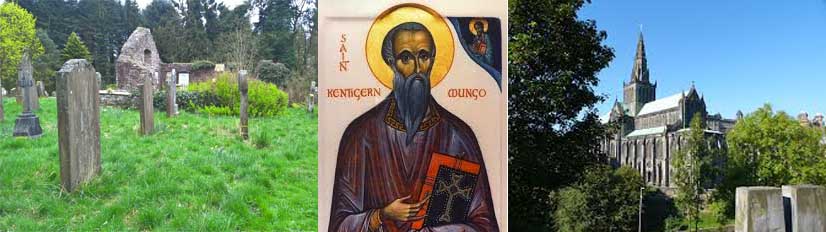
| Kentigern Church | This is the only Church which carries the Saint’s Kentigern name. It is reputed to have been founded by the Saint himself in 603. Its location outside the main burgh is indicative of its antiquity. |
| Dalserf Church | Situated in the Clyde Valley, renowned for its fertility since Roman times, the church carries the name of St Serf who is reputed to have raised Kentigern. Although the connection with St Serf is ambiguous this little church has a big history to tell in its own right. |
| Dukes of Hamilton Mausoleum | Built as a family chapel and final resting place by the 10th Duke of Hamilton. |
| Low Parks Museum | The museum occupies the few remaining buildings which were situated in the palace grounds and which once formed part of the Duke of Hamilton’s estate. The building serves as the regimental museum of the Cameronians (Scottish Rifles) which were formed from Covenanting roots. |
| Strathclyde Country Park and Roman Baths | These spacious recreational parklands were once traversed by the Roman Wattling Street and contain the site of a major fort and marching camp. All that now remains are the reconstructed vestiges of the Roman bathhouse. |